When Iron Ore combined with carbon, iron changes character completely and becomes the alloy steel.
Steel, alloy of iron and carbon in which the carbon content ranges up to 2 percent (with a higher carbon content, the material is defined as cast iron). By far the most widely used material for building the world’s infrastructure and industries, it is used to fabricate everything from sewing needles to oil tankers. In addition, the tools required to build and manufacture such articles are also made of steel. As an indication of the relative importance of this material, in 2013 the world’s raw steel production was about 1.6 billion tons, while production of the next most important engineering metal, aluminum, was about 47 million tons. The main reasons for the popularity of steel are the relatively low cost of making, forming, and processing it, the abundance of its two raw materials (iron ore and scrap), and its unparalleled range of mechanical properties.
Encyclopædia Britannica
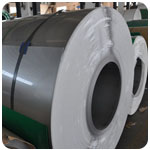 |
Stainles Steel | • Stainless Steel 304 • Stainless Steel 316 |
|
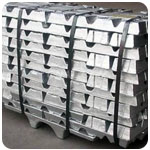 |
Aluminium | • Aluminium Ingot • Aluminium Rod • Aluminium Sows |
• Aluminium Alloy • Aluminium Billet • Alumina |
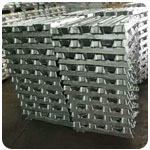 |
Lead | • Pure & Refined Lead Ingot • Lead Ore • Remelted Lead Ingot |
• Lead Concentrate • Antimony Lead Ingot |
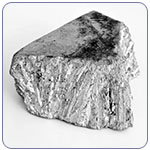 |
Zinc | • Zinc Ingot, 99.95% • Zinc Oxide • Zinc Ingot, 99.995% |
• Zinc Ash • Zinc Concentrate • Zinc Ore |
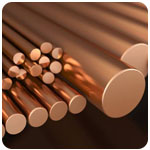 |
Copper | • Copper Ingot • Copper Rod and Wire • Copper Cathode |
• Copper Concentrate • Copper Ore • Remelted Copper |
 |
 |
 |
 |
 |
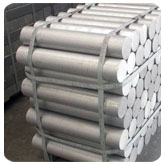 |
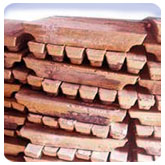
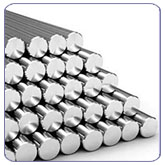
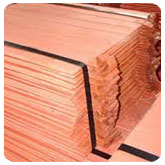
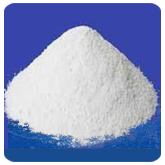
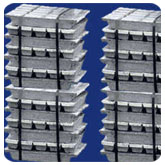
| Copper Ingot | Aluminium Rod | Copper Cathode | Zinc Oxide |
Remelted Lead Ingot | Aluminium Billet |